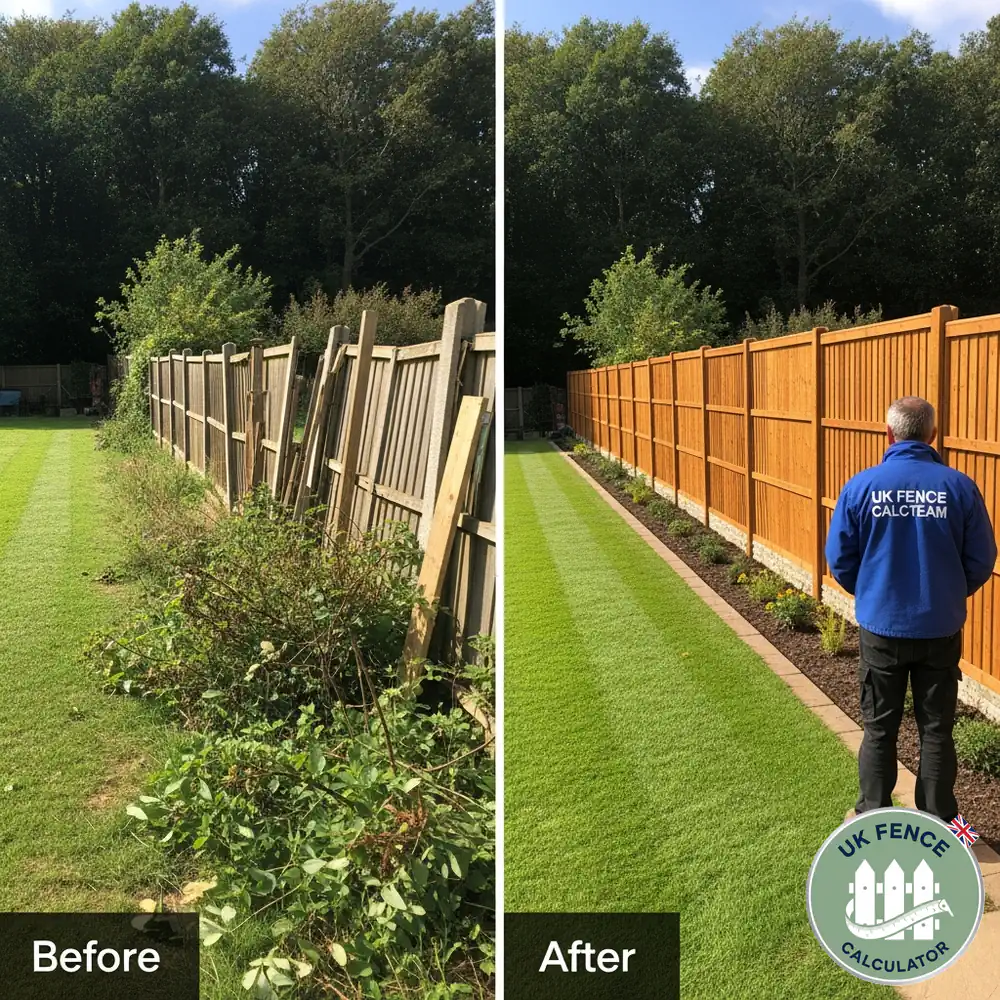
Timber suits lower upfront budgets and natural style gardens. Vinyl (uPVC) requires little maintenance. Composite often provides the best balance of lifespan, appearance, and upkeep in the UK climate if your budget allows.
Biggest Differences: Timber vs Vinyl vs Composite
The key differences are price and longevity.
Timber (Wood) Fences
- ✓ Lowest upfront cost
- ✓ Easy to source and repair
- ✓ Warm, natural look that fits most UK gardens
- ✗ Requires regular staining or preservative
- ✗ Prone to rot, warping, fading, and insect damage
- ⏱ Lifespan: 10-20 years (even with maintenance)
Vinyl (uPVC) Fences
- ✓ Minimal maintenance required
- ✓ Resistant to rot and pests
- ✗ More expensive than timber
- ✗ May become brittle in cold, warp in heat
- ✗ Can develop algae or mildew in damp UK conditions
- ✗ Plastic appearance can be divisive
- ⏱ Lifespan: 20-30 years
Composite Fences
- ✓ Wood-plastic mix designed for UK weather
- ✓ Highly resistant to moisture, rot, insects, and fading
- ✓ Very low maintenance (only occasional washing)
- ✓ Timber-like appearance in photos
- ✗ Highest initial cost
- ⏱ Lifespan: 20-30+ years
What fence materials should you buy?
Choose Timber if:
You need the lowest upfront cost and are happy to trade time for money with regular maintenance. Good for those on a tight budget who don't mind periodic staining and repairs.
Choose Vinyl if:
You're in a milder, less exposed spot and want a simple, low-maintenance privacy fence with a clean, modern look. Best for those who want to avoid regular upkeep but can accept the plastic aesthetic.
Choose Composite if:
You plan to stay put or are speccing higher-end rentals and want minimal call-backs. Long life, strong weather performance, and low maintenance costs are the priority. Composite fences appear "timber-like" in estate photos and viewings, but they will not grey, rot, or warp like softwood boards.
Where To Buy in UK Composite Fencing?
In the UK, composite fencing brands fall into three main groups: leading manufacturers, online specialists, and merchant stocked systems. The most widely recognised brands are NeoTimber, Eurocell (Eco Fencing), and Cladco. Other strong options include Dino Decking, Ecoscape, and EnviroBuild (Hyperion), all offering well regarded composite fencing kits. It's important to mention that NeoTimber, Eurocell, Cladco, Dino, Ecoscape, EnviroBuild are manufacturers, while eComposite Products, North Valley Composites, Estate Sawmills, DuraPost (via Wickes, Jewson), Eurocell trade branches are online merchants. To calculate how many composite panels to buy, use our fence calculator.
Typical Composite Fencing Price Points
Composite fencing is mainly sold through specialist composite brands and national merchants. UK supply-only prices typically range from £60 to £130 per metre, while supply and fit often lands between £130 and £200 per metre, depending on specification.
Design led brand can be found in Charles & Ivy with composite and aluminium panels (Classic, Aspen, Fusion) as options. Typical retail pricing is £100–£145 per panel, often discounted to £98–£120 for ~6ft panels when used with matching posts. A strong reference for mid- to premium-priced benchmarking.
Durapost and other brands are often sold at Wickes or B&Q for example, DuraPost URBAN 6x4ft multi-packs start in the high-hundreds, equating to ~£200+ per 1.8m bay once posts and rails are included. Useful for DIY retail pricing references.
Regional yards like Atkinsons offer own-brand composite panels priced slightly below top design brands but above budget lines - ideal for trade yard pricing comparisons.
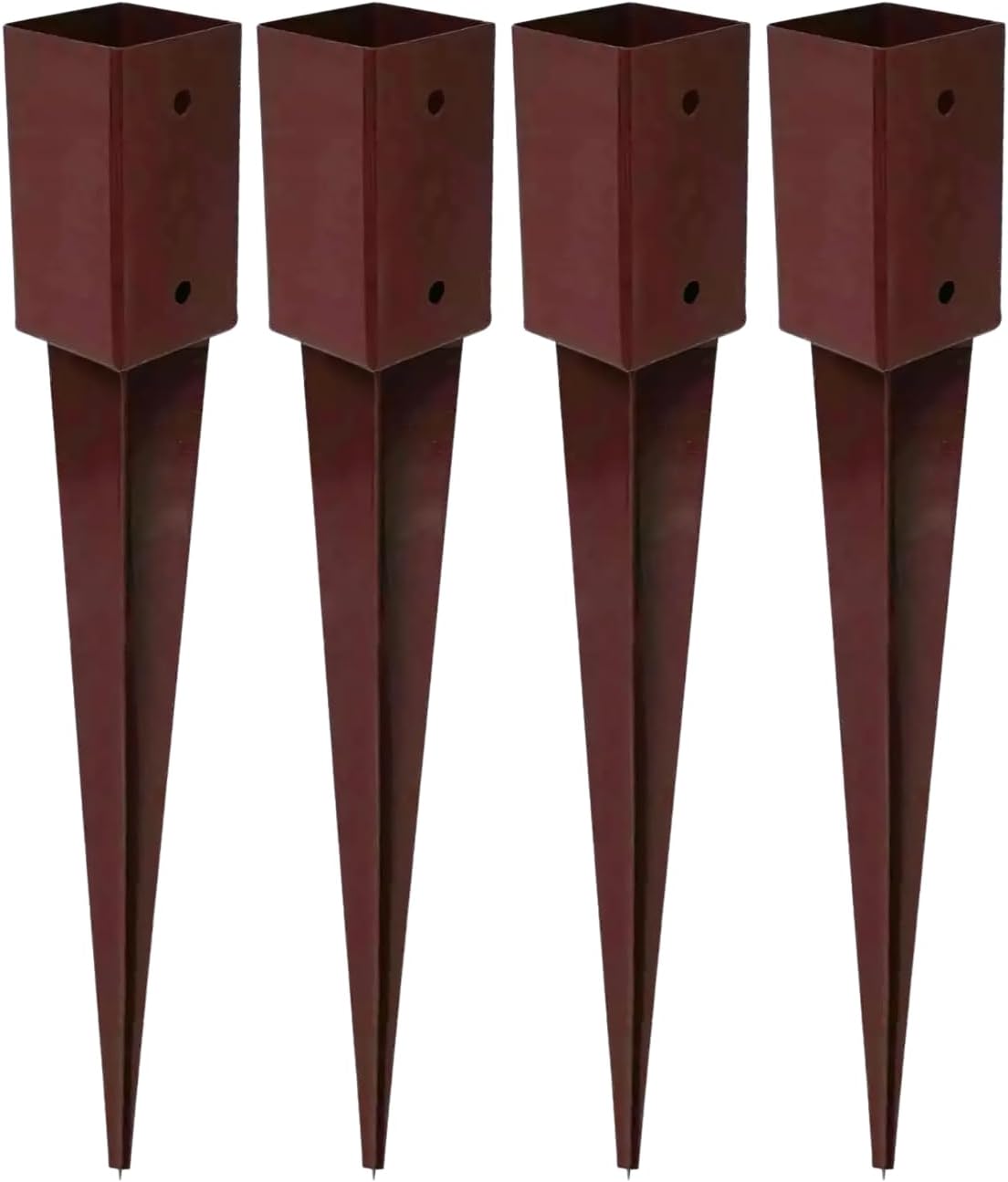
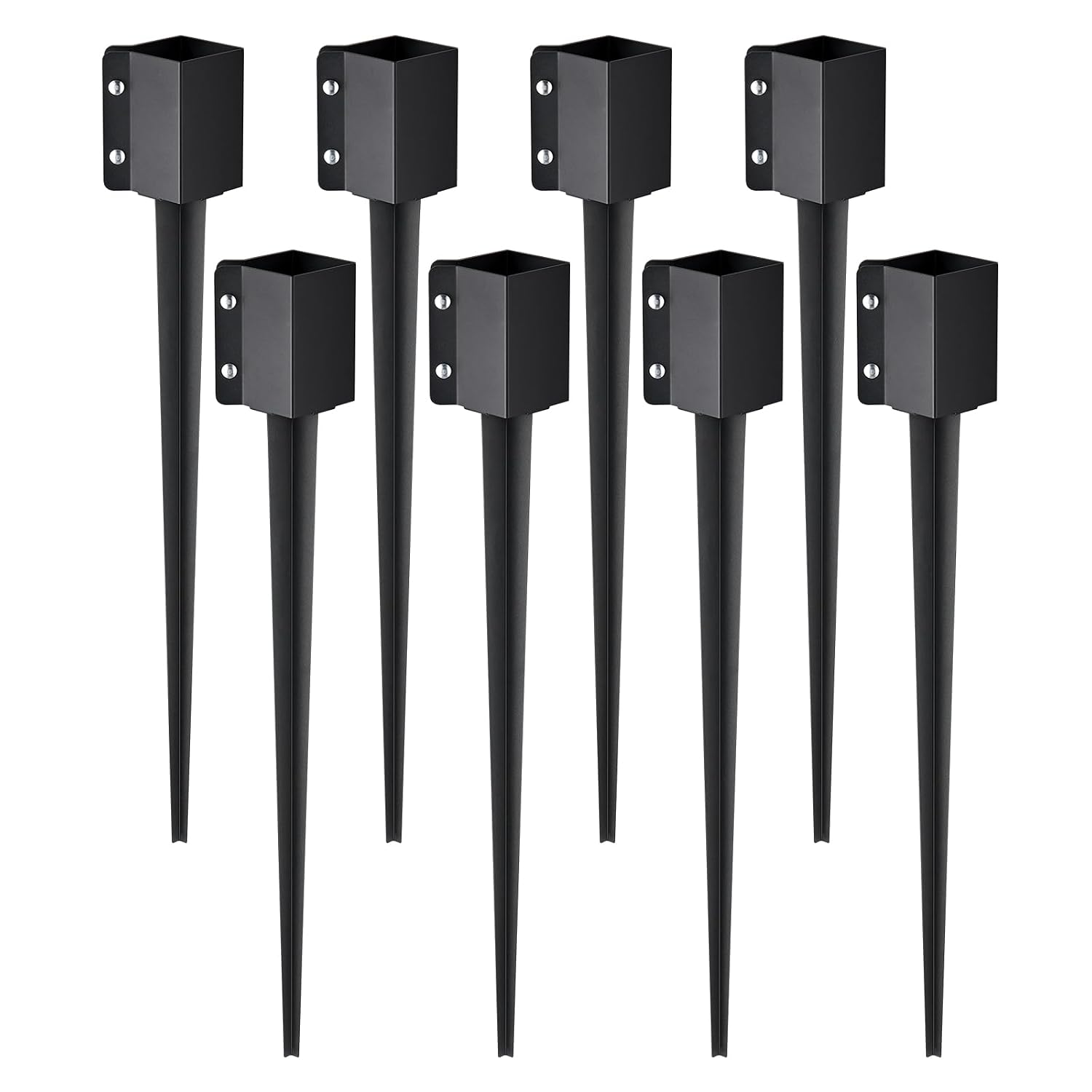
Composite Panels and Posts (supply only): Composite panels (6x6ft) cost ~£117–£200, posts (aluminium/composite) cost ~£22–£35 each, and bases and caps cost ~£8–£15 each.
Composite Panels Per Metre Costs: Supply only runs ~£60–£130 per metre, while supply and fit runs ~£130–£200 per metre.
For estimation tools or content, budget composite runs ~£60–£90/m (supply only), mid-range composite runs ~£90–£120/m, and premium composite runs ~£120–£140+/m.
Installed equivalents generally run budget at ~£130–£160/m and premium at ~£160–£200/m.
These reflect current UK pricing from major suppliers.





.webp)
.webp)
.webp)
.webp)
.webp)